
Annan History
⏲ ANCIENT: From AD 83 – The Romans >> From AD 600 – Hoddom Monastery ~~~ ⏲ DEFENSIVE: 12th Century – The Bruce Family >> 14th Century – Stapleton Tower >> The Riding of The Marches ~~~ ⏲ ILLICIT: Rabbie Burns ~~~ ⏲ PROSPEROUS: 1757 – 1900 Influential People >> Industries over the years >> The coming of the railway ~~~ ⏲ WARTIME: From 1914 – HM Factory Gretna >> Teetotal Annan! >> War Memorial >> From 1942 – RAF Annan ~~~ ⏲ EXPANDING: From 1959 – Chapelcross ~~~ ⏲ ANNAN’S HISTORY TODAY: Annan Families >> Clubs & Organisations >> Ghosts of Annan’s Past
Ancient Annan
The Romans
The people of the Annan river valley & the arrival of the Romans…
There was no Annan town until the Middle Ages, but large numbers of Iron Age farmsteads occupied the Anava valley and the Solway shore.
In AD 83 the Roman invasion reached this area when the Roman army, under General Agricola, crossed the Anava and headed for the coast at Stranraer and Ayr.
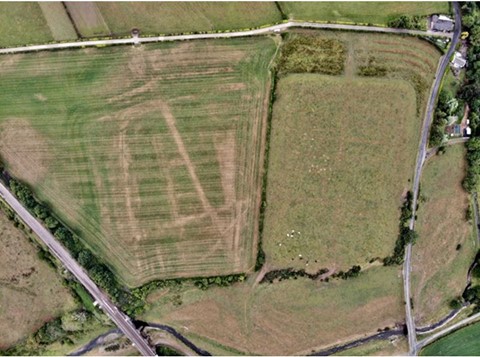
The very large 3.8ha Waterfoot Roman camp next to Cochrans factory [pictured] at the mouth of the Annan is probably a base camp for this famous combined land and sea invasion. The river mouth at the top of the photograph will have been crammed with Roman military and supply vessels.
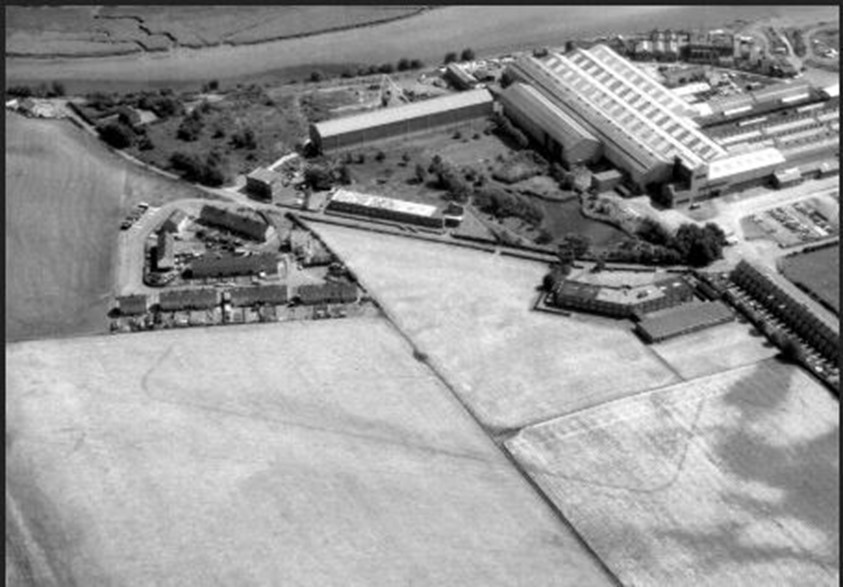
PHOTO Above: The camp ditches show up in aerial photographs, outlining the familiar playing-card shape of a Roman camp. Excavation has shown that any internal features of the camp have been destroyed by ploughing.
What's in a name?
Annan is from the celtic ANAU meaning rich, and is probably describing the River Annan as rich in fish.
The population of this island had no alphabet or writing, but the Romans recorded all the native names of natural features in Latin script.
Our river was written as ANAVA and we are the ANAVIONENSES, the people of the River Annan valley (pronounce Roman V as W).
Our First Census
Some 20 years later we became part of the expanding Roman province of Britannia when Emperor Trajan ordered a census of all the people living in the numerous Iron Age farmsteads along the Annan River valley and on the adjacent shores of the Solway.
All new areas acquired by the Roman Empire were subject to a census; the New Testament records the census of the population of Palestine.
This fragment of inscribed stone [pictured] from Italy is the only surviving record of a census of a British Iron Age tribe. It lists the career of Titus Haterius Nepos, a senior army officer in Britain; the second and third lines on the stone describe him as PRAEFectus EQUITum, commanding officer of a cavalry regiment, and CENSITOr BRITTONUM ANAVIONensium, census officer of the Britons of the River Annan.

Haterius Nepos’ census officers would record the details of every person, their land, buildings and barns, crops and livestock.
Tributes & Taxes
Soil Tribute was a Roman tax on land and produce, Per Capita tribute was a tax on people, buildings and livestock.
The enormous numbers of Roman troops in our area depended on our local farmers for nearly all their food supplies: wheat and barley, cattle, sheep, goats, poultry, fish and barley beer etc. In addition, Roman uniforms, footwear, harness and saddles, tents etc. required vast amounts of leather.
Because all areas of the Empire were expected to provide recruits for the defence of the Empire, suitably fit young men from our valley were trained as Roman soldiers, probably at Vindolanda. These Annandale recruits and other troops from Britain were sent to defend the Rhine frontier in Germany: no chance of them joining the Britons’ rebellion against Roman rule when Emperor Trajan’s death was announced and Hadrian became emperor ! Large numbers of Roman soldiers were killed at that time
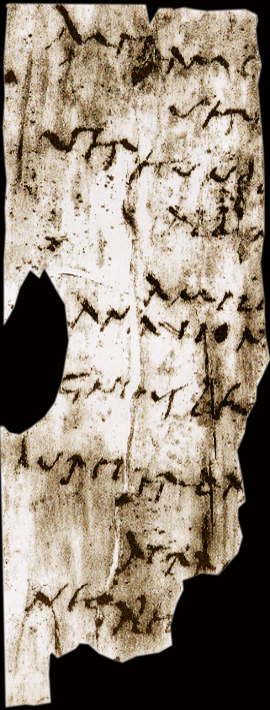
Soldiers of the Anavionense
The left hand edge of the pictured wooden postcard-size writing tablet from Vindolanda contains the words A MILItibus ANAVIONensium: ‘from the soldiers of the Anavionenses’.
Hadrian’s Wall
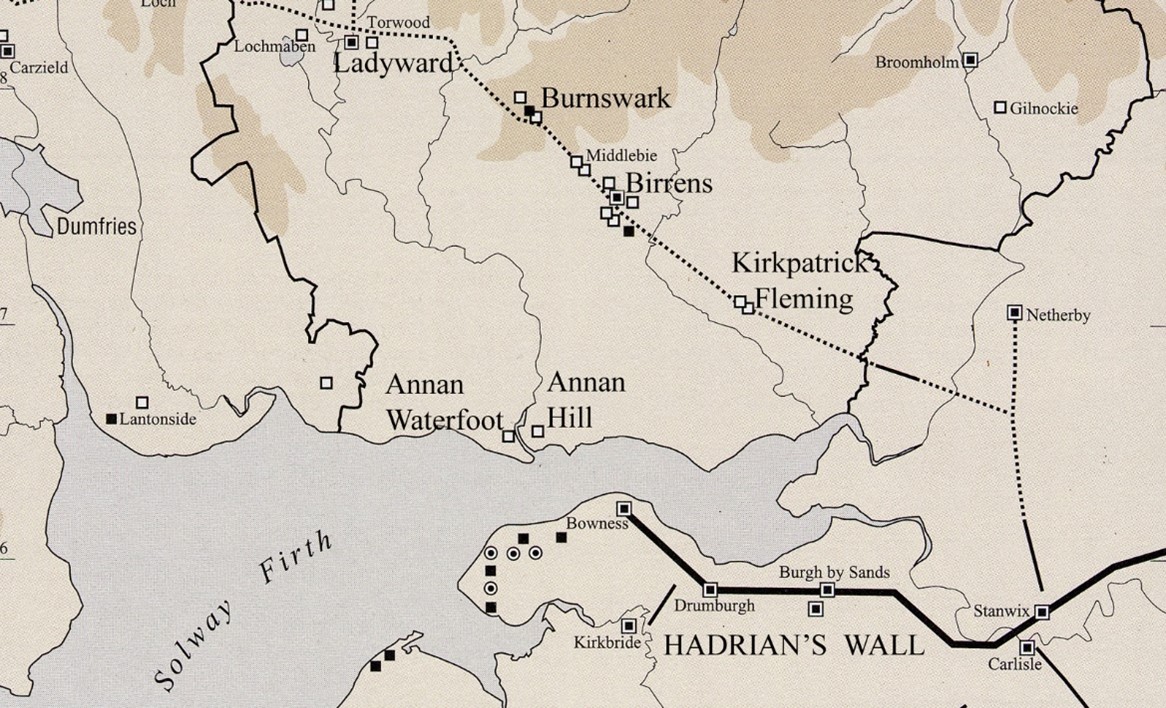
Hadrian arrived in Britain in AD122 and drew the line of his new frontier along the south shore of the Solway. Unfortunately this meant that the Anavionenses were now outside the boundary of the Roman Empire. To protect and control this area Hadrian built a new, larger fort at Birrens near Middlebie. We would be regularly visited by the cavalry patrols from the multi-national 1,000 strong garrison.
Birrens developed as a very important fort controlling the Roman road up Annandale to the Clyde and so to the second frontier – the Antonine Wall, constructed from the Clyde to the Forth by Hadrian’s successor, Antoninus Pius.
The large number of finds from the fort, now in Dumfries Museum and the National Museum in Edinburgh, form the finest group of inscribed and sculptured stones from any Roman site north of Hadrian’s Wall.
Birrens Roman Fort
Pictured is a plan of Birrens Roman Fort on the side of the road to Middlebie.
Defence
The multiple ditches defending its north side are clearly visible today.
Headquarters
H and C mark the Hospital and the Commanding Officer’s house.
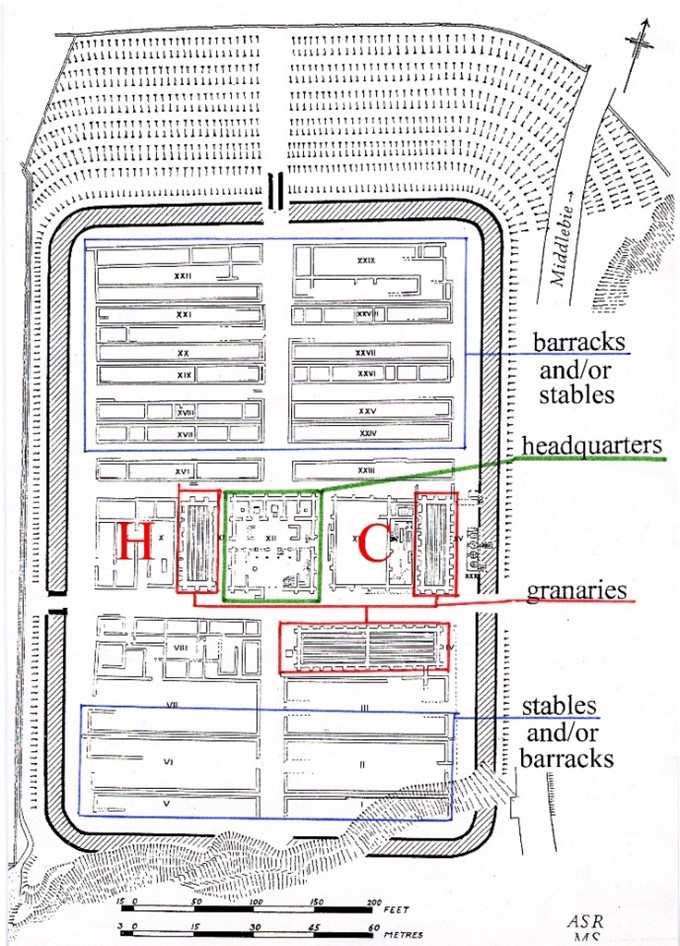
PHOTO Below: Dr John Reid’s aerial photo reveals details of the large annexe protected by multiple ditches on the west side of the fort, with the main Roman road to the north, the ancestor of the M74, running at an angle through the annexe.
On top of Annan Hill is our second, smaller Roman temporary camp (1.4ha). With its eagle’s eyrie view across the Solway of Hadrian’s Wall this camp may have been used frequently by small Roman patrols. It is now buried under modern houses.
Roman Treasures
A rare find
Only some 40 of these high security purses have been found in the Roman Empire.

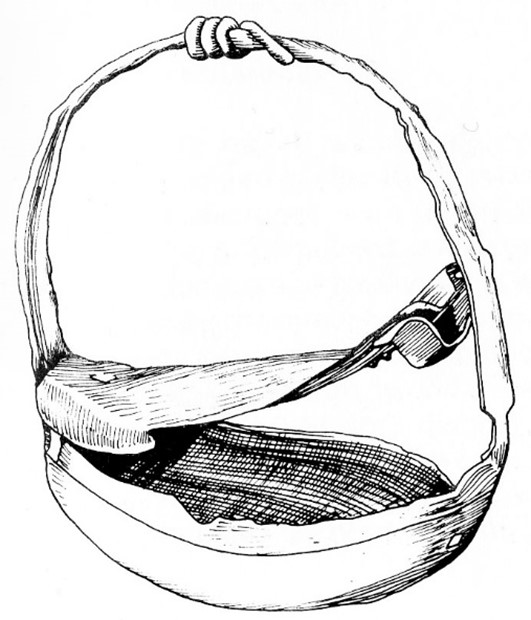
Former Annan Museum Displays
DISCIPLINA (‘training’)
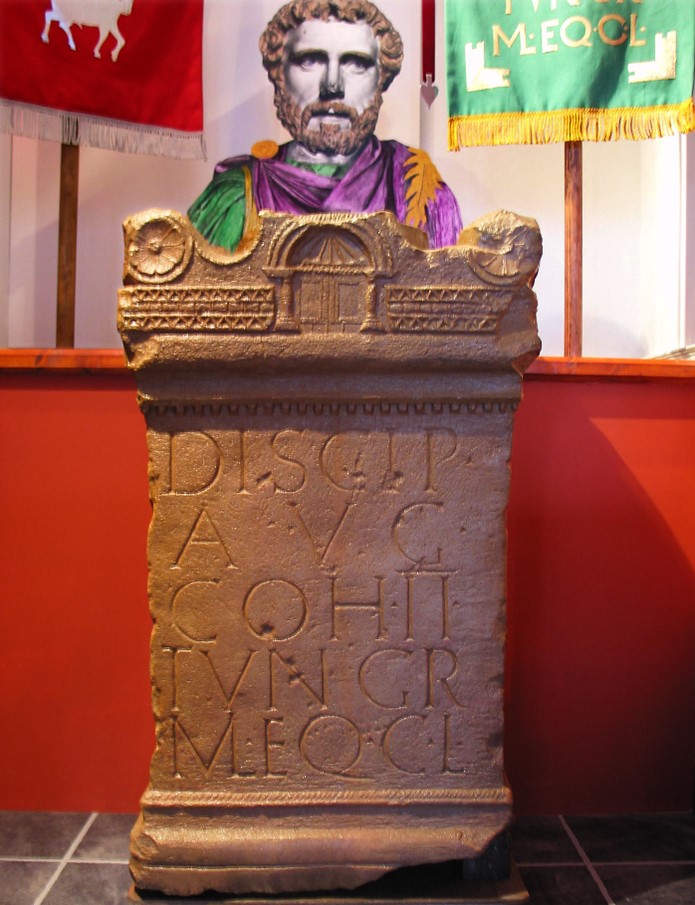
The replica of the altar dedicated to the Emperor’s DISCIPLINA (‘training’) by our local garrison, the 1,000 strong Second Regiment of Tungrians, part cavalry. From The shrine of the standards in the Birrens Fort.
Brigantia, Goddess of the Brigantes
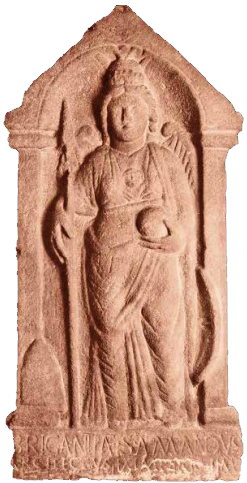
Replica of the sandstone relief from Birrens of Brigantia, patron goddess of the Brigantes, the largest coalition of tribes in Britain. The Anavionenses were probably members of this coalition.
Minerva, Goddess of mental skills
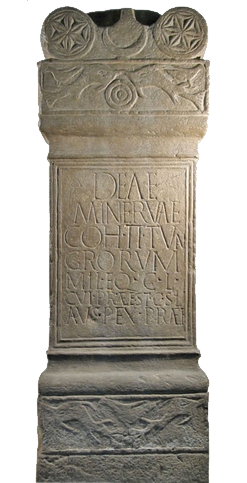
This finely carved altar dedicated by the Second Tungrians to Minerva, goddess of mental and physical skills, is now in Dumfries Museum.
All Roman inscriptions and relief carvings were originally brightly painted, with the letters filled in with cinnabar red.
“Archaeologists dig up people, not objects.” Sir Mortimer Wheeler, pioneering British archaeologist
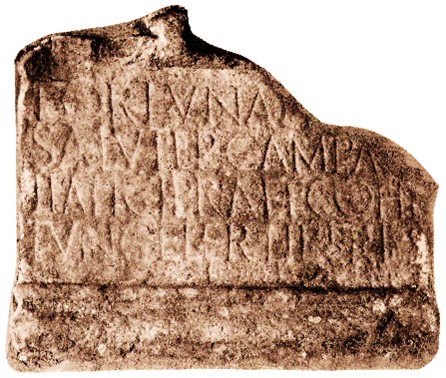
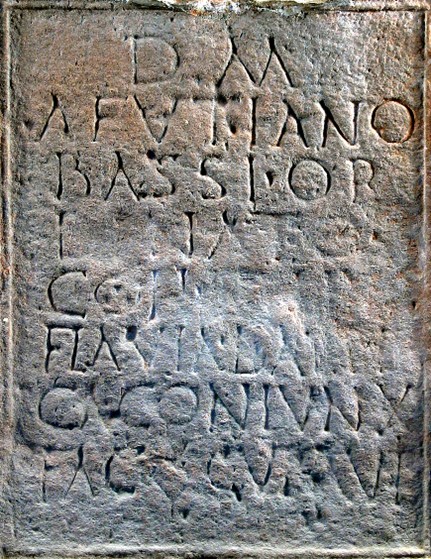
The soldiers of the Second Tungrians, our Roman garrison, are the first named individuals from this area, recorded on the inscriptions from Birrens. Two of these individuals are Commanding officer Publius Campanius Italicus, born in the Bay of Naples in sight of the volcano Vesuvius, and his freedman (former slave) secretary Celer.
Find out more:
Visit Dumfries Museum to discover more finds from Birrens Fort.